
Tourist sites In Pedernales
17 results · 1 / 2
Use your location? We will centre the map on you and show how far away each place is.

Laguna de Oviedo
Laguna de Oviedo province of Pedernales, southwest of the Dominican Republic. It is accessible from the city of Barahona, a few hours by car. Characteristics: It is a saltwater coastal lagoon, surrounded by mangroves, dry forests and sand dunes. The lagoon is known for its impressive biodiversity, including a wide variety of waterfowl, such as pink flamingos, herons, cormorants and pelicans. Activities: Tourists can enjoy boat rides on the lagoon to observe the local fauna and flora. You can also hike the natural trails that surround the lagoon, offering the opportunity to observe birds and other wildlife. Guided tours: To get the most out of the experience, many tourists choose to take guided tours of the lagoon. These tours are usually led by local guides who are familiar with the area and can provide interesting information about the wildlife and ecology of the area. Conditions and recommendations: It is important to keep in mind that Laguna de Oviedo is a protected area and permission is required to enter. In addition, it is advisable to bring insect repellent, sunscreen, drinking water and appropriate clothing to protect yourself from the sun and insects. Accommodation and services: Tourist infrastructure in the area may be limited, but there are some accommodation and restaurant options nearby, especially in the town of Barahona. However, you may want to plan ahead and bring everything you need for your visit with you. Season and climate: The best time to visit Laguna de Oviedo is during the dry season, from December to April, when the weather is more pleasant and there is less chance of rain. During the rainy season, from May to November, some areas may be flooded and access may be more difficult. Environmental Preservation: As a visitor, it is important to respect the rules and regulations of the protected area and follow responsible tourism practices, such as not leaving trash and not disturbing wildlife.

Bahía de las Águilas
Águilas Bay: An Unmatched Caribbean Paradise The Bay of Eagles is a natural treasure that captivates those who visit it. Located in the heart of the Jaragua National Park, in the province of Pedernales, this jewel of the Caribbean stands out for its crystal-clear waters, white sand beaches and an exceptionally rich marine ecosystem. A Dream Landscape The bay is characterized by a coastal karst landscape of impressive beauty, with calcareous cliffs that plunge into the turquoise waters, forming small coves and inlets. Over the centuries, sea erosion has sculpted capricious rock formations that offer a unique visual spectacle. A Refuge for Marine Life The waters of Águilas Bay are home to exceptional marine biodiversity. The perfectly preserved coral reefs are home to a wide variety of marine species, including vibrantly colored tropical fish, sea turtles, starfish and manatees. The transparency of the waters allows you to appreciate the beauty of these underwater ecosystems, making it an ideal destination for diving and snorkeling. A Unique Experience Visiting Águilas Bay is immersing yourself in a practically virgin natural environment. Some of the activities you can do include: • Diving and snorkeling: Explore the seabed and discover the rich marine life that lives in the coral reefs. • Kayak: Sail through the calm waters of the bay and discover hidden coves and sea caves. • Hiking: Walk the trails of the Jaragua National Park and enjoy the beauty of the terrestrial flora and fauna. • Bird watching: Observe the various species of seabirds that live in the area, such as frigates, pelicans and seagulls. • Relax on the beach: Enjoy the sun and the sea on one of the most beautiful beaches in the Caribbean, where you can relax and disconnect from the world. Tips for your Visit • Best time: The dry season, from December to April, is the most recommended to visit the bay, since the weather conditions are more stable and the waters are calmer. • Access: Access to the bay is mainly through organized excursions from Barahona or Santo Domingo. It is important to hire the services of an authorized tour operator to guarantee your safety and care for the environment. • Sun protection: The tropical sun can be intense, so it is essential to use high factor sunscreen, a hat and sunglasses. • Respect for the environment: Águilas Bay is a fragile ecosystem, so it is essential to respect the environment and leave no trace of your visit. Avoid extracting corals, shells or any other natural element. A Commitment to Conservation The protection of Águilas Bay is essential to guarantee its long-term conservation. Jaragua National Park, to which the bay belongs, is committed to the protection of this valuable ecosystem and works closely with local communities to promote the sustainable development of tourism. Águilas Bay is a unique destination that offers you the opportunity to connect with nature in its purest state. If you are looking for a place to relax, disconnect and enjoy the beauty of the Caribbean, this is your ideal destination.

Playa La Cueva
Playa La Cueva, also known as La Cueva de los Pescadores, is a coastal jewel that combines the natural beauty of its virgin beaches with the tranquility of an uncrowded environment. Located about 28 kilometers southeast of Pedernales, this area has become an emerging tourist destination, thanks to its eco-friendly hotels and its easy access to the famous Bahía de las Águilas. What makes Playa La Cueva special? • Virgin beaches: The main beach offers a long strip of white sand and crystal clear waters, ideal for relaxing and enjoying the sun. • Tranquility: Being a less touristy area than Bahía de las Águilas, you will find a calmer and more relaxed atmosphere. • Eco-friendly hotels: Various accommodation options allow you to enjoy nature without giving up comfort. • Access to Águilas Bay: La Cueva Beach is the ideal starting point for excursions to Águilas Bay by yawl. • Rock formations: The nearby caves and rock formations offer unique scenery and snorkeling opportunities. Activities in Playa La Cueva • Swimming and tanning: Relax on the beach, swim in the crystal clear waters and enjoy the sun. • Snorkeling: Explore the seabed and discover the rich marine life of the area. • Kayak: Rent a kayak and navigate the calm waters of the coast. • Hiking: Explore the surroundings and discover trails that will take you to impressive viewpoints. • Bird watching: Observe the great variety of sea birds that live in the area. • Visit to the cave: Explore the cave that gives its name to the beach and discover its natural beauty. Tips for your visit • Best time: The dry season, from December to April, is the most recommended to visit Playa La Cueva. • Transportation: You can get to Playa La Cueva by your own vehicle or by hiring a tour from Barahona or Santo Domingo. • Accommodation: There are several accommodation options, from eco-friendly hotels to rustic cabins. • Food: You can enjoy local cuisine in the hotel restaurants or in small nearby restaurants. • Respect for the environment: Helps preserve the natural beauty of the area, not leaving garbage and avoiding damaging the flora and fauna. How to get there To get to Playa La Cueva, you must head towards Pedernales and follow the signs to Cabo Rojo. Once there, you will find different accommodation options and tourist services that will take you to the beach.

Playa Bahía Caracola
Caracola Bay Beach: A Caribbean Hideaway While I have not found specific information about a beach called "Bahía Caracola" in Pedernales, it is likely that it is a smaller, less well-known beach, or that the name has evolved over time. What you can expect to find: Based on the natural beauty of Pedernales and the name "Bahía Caracola", we can imagine a beach with the following characteristics: • Crystal clear waters: Pedernales beaches are famous for their turquoise and transparent waters, ideal for swimming, diving and snorkeling. • White sand: Most beaches in this area have soft white sand, perfect for sunbathing and relaxing. • Rock formations: The beach may have interesting rock formations, such as small caves or cliffs, that give it a special charm. • Marine life: The waters of Pedernales usually host a wide variety of tropical fish, corals and other marine species. • Tranquility: Being a lesser-known beach, you are likely to find a calmer and more relaxed atmosphere compared to other more popular beaches. Activities to do: • Swimming and tanning: Enjoy the sun and sea in a natural environment. • Snorkeling and diving: Explore the seabed and discover the rich biodiversity of the area. • Kayak: Sail through the calm waters and discover hidden coves. • Boating: Rent a boat and explore the coast. • Relax: Enjoy the tranquility and beauty of the landscape. Tips for your visit: • Best time: The dry season, from December to April, is the most recommended to visit Pedernales. • Access: You may need a 4x4 vehicle or hire a tour to get to the beach. • Supplies: Bring water, food, sunscreen and insect repellent. • Respect for the environment: Do not leave garbage and avoid damaging the flora and fauna. How to get to Pedernales: Pedernales is located in the southwestern part of the Dominican Republic. You can arrive by your own vehicle or by hiring a tour from Santo Domingo or Barahona. Additional recommendations: • Ask locals: Ask locals or tour guides about the exact location of Playa Bahía Caracola and the best ways to get there. • Explore the surroundings: Take advantage of your visit to see other places of interest in Pedernales, such as Bahía de las Águilas or Jaragua National Park.
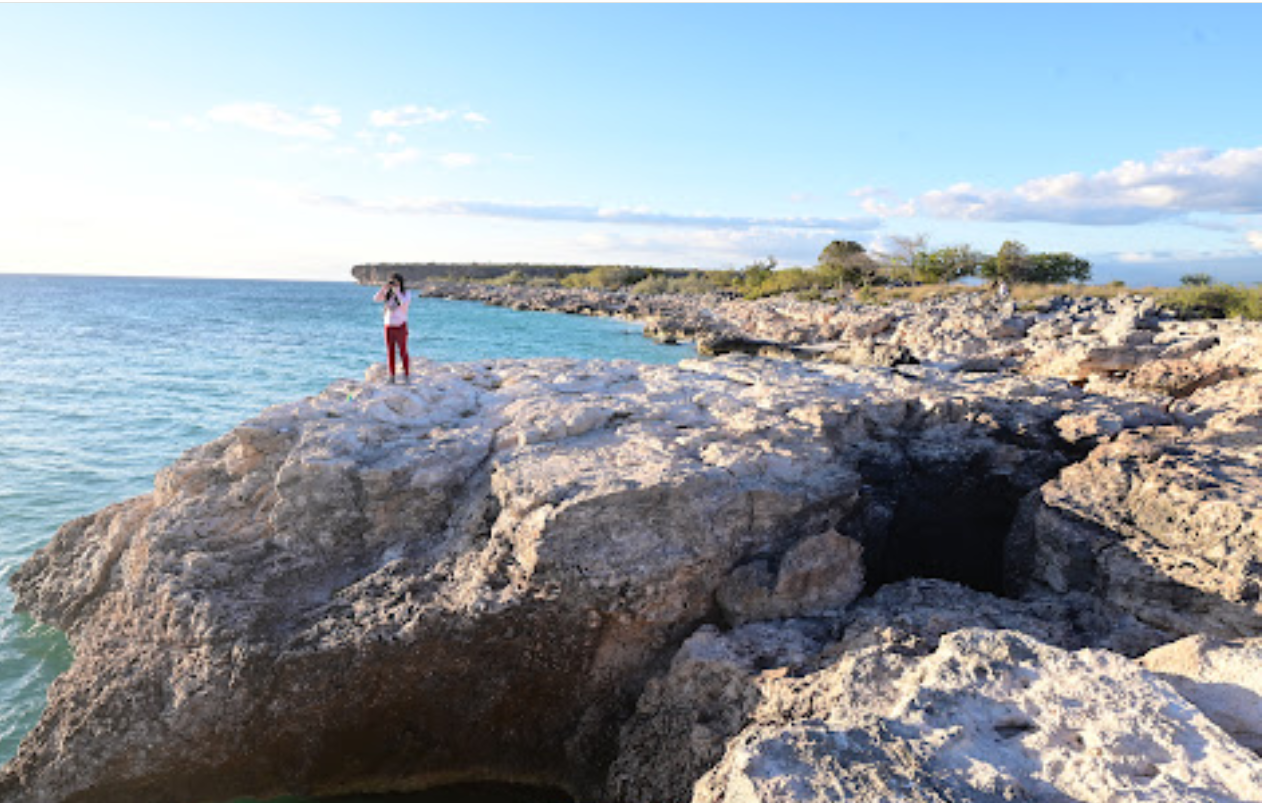
Playita Piscina Natural JIRT
Playita Natural Pool JIRT: A Hidden Eden in Pedernales What is a Natural Pool? Before delving into the details of the Playita Piscina Natural JIRT, it is important to understand what a natural pool is. These are natural rock formations that create small lagoons or pools with crystal clear water, usually connected to the sea. They tend to be quieter and more sheltered than open beaches, making them an ideal place to relax and enjoy the water. What can we expect from the Playita Piscina Natural JIRT? Based on the name and location in Pedernales, we can infer that: • An oasis of tranquility: Being a natural pool, it is likely to be a quieter and more secluded place than traditional beaches, ideal for those looking to escape the crowds. • Crystal clear waters: Natural pools usually have extremely clear waters, perfect for snorkeling and observing marine life. • Unique rock formations: Sea and wind erosion have probably created interesting rock formations around the pool, offering a spectacular landscape. • Marine life: Due to the connection to the sea, a variety of small fish, starfish and other marine organisms may be found. • Limited accessibility: Being a lesser-known place, access may be more limited and require a little more adventure. Activities to do: • Snorkeling: Explore the seabed and discover marine life. • Shallow diving: Swim in the crystal clear waters and watch the fish. • Relaxation: Enjoy the sun and the sound of water in a natural environment. • Photography: Capture the beauty of the landscape and marine life. Tips for your visit: • Best time: The dry season, from December to April, is the most recommended to visit Pedernales. • Access: Find out how to get to the natural pool. You may need a local guide or a 4x4 vehicle. • Equipment: Bring snorkeling equipment if you want to explore the seabed. • Respect for the environment: Do not leave garbage and avoid damaging the flora and fauna. How to find more information? To obtain more precise information about the Playita Piscina Natural JIRT, I recommend: • Social networks: Search Instagram or TikTok using hashtags such as #Pedernales, #RepúblicaDominicana, #PiscinaNatural and #JIRT. • Travel forums: Consult forums specialized in travel to the Dominican Republic. • Local tourism agencies: Contact tourism agencies in Pedernales or Barahona.
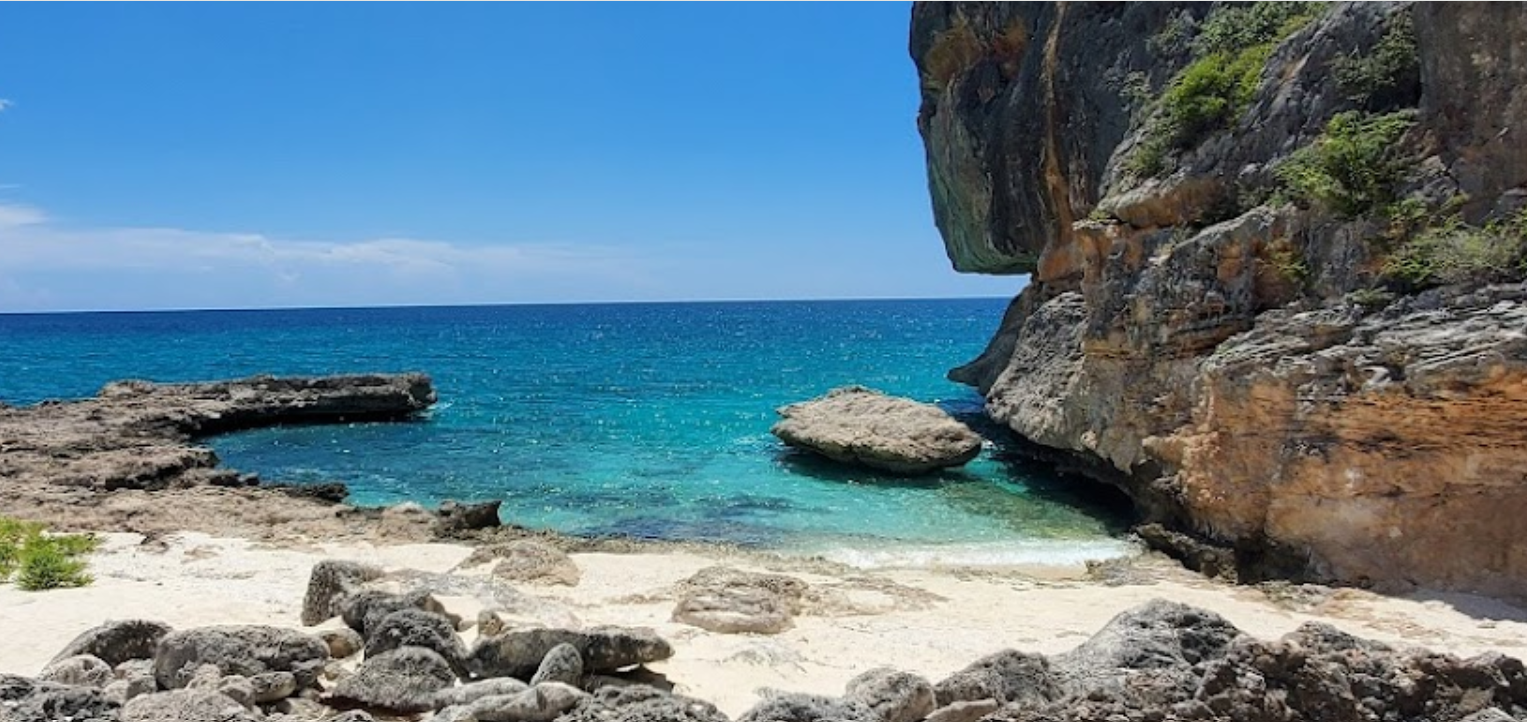
PLAYA DE ABADESA
Abadesa Beach: A Secret Paradise in Pedernales Why "Abbess"? It is possible that the name "Abbess" is an adaptation of another local name or a reference to some particular feature of the beach, such as the presence of a cave or a rock formation reminiscent of a monastery. What you can expect to find: Based on the location in Pedernales and the suggestive name, we can imagine a beach with the following characteristics: • Crystal clear waters: Pedernales beaches are famous for their turquoise and transparent waters, ideal for swimming, diving and snorkeling. • White sand: Most beaches in this area have soft white sand, perfect for sunbathing and relaxing. • Rock formations: The beach may have interesting rock formations, such as small caves or cliffs, that give it a special charm. • Marine life: The waters of Pedernales usually host a wide variety of tropical fish, corals and other marine species. • Tranquility: Being a lesser-known beach, you are likely to find a calmer and more relaxed atmosphere compared to other more popular beaches. Activities to do: • Swimming and tanning: Enjoy the sun and sea in a natural environment. • Snorkeling and diving: Explore the seabed and discover the rich biodiversity of the area. • Kayak: Sail through the calm waters and discover hidden coves. • Boating: Rent a boat and explore the coast. • Relax: Enjoy the tranquility and beauty of the landscape. Tips for your visit: • Best time: The dry season, from December to April, is the most recommended to visit Pedernales. • Access: You may need a 4x4 vehicle or hire a tour to get to the beach. • Supplies: Bring water, food, sunscreen and insect repellent. • Respect for the environment: Do not leave garbage and avoid damaging the flora and fauna. How to find more information? To obtain more precise information about Abadesa Beach, I recommend: • Social networks: Search Instagram or TikTok using hashtags such as #Pedernales, #RepúblicaDominicana, #PlayaAbadesa and #PlayasVirgenes. • Travel forums: Consult forums specialized in travel to the Dominican Republic. • Local tourism agencies: Contact tourism agencies in Pedernales or Barahona.

Playa Cabo Rojo
Cabo Rojo Beach: A Natural Paradise to Discover A Haven of Untouched Beauty Cabo Rojo Beach is much more than just a beach; It is a destination that combines unspoilt natural beauty with the tranquility you are looking for on your vacation. Located on the southwest coast of the Dominican Republic, in the province of Pedernales, this Caribbean gem offers you a unique and authentic experience. What makes Cabo Rojo such a special place? • Extension and Diversity: With its 8 kilometers of coastline, Cabo Rojo offers a variety of landscapes, from soft white sand beaches to rocky areas with natural pools. • Crystal Clear Waters and Seabed: Its turquoise waters are ideal for snorkeling and diving, allowing you to explore an underwater world full of life. The coral reefs of Cabo Rojo are a true treasure, home to a great diversity of marine species. • Desert Landscapes: In contrast to the beaches, the interior of Cabo Rojo presents desert landscapes with sand dunes and xeric vegetation, creating a fascinating contrast. • Tranquility and Privacy: Being a less developed tourist area, you can enjoy the tranquility and privacy you are looking for, away from the crowds. • Adventure Opportunities: In addition to water activities, Cabo Rojo offers options for hiking, kayaking, and even bird watching. Activities for All Tastes • Water Sports: Snorkeling, diving, kayaking, paddleboarding, and boat tours are some of the most popular activities. • Rest and Relaxation: Enjoy the sun in a hammock, read a book under an umbrella, or simply contemplate the sea. • Nature Observation: Cabo Rojo is a paradise for nature lovers. Observe birds, sea turtles, and the diverse flora and fauna of the area. • Photography: Capture unforgettable moments with your camera. The sunsets in Cabo Rojo are especially spectacular. Additional Tips • Best Time to Visit: The dry season, from December to April, is the ideal time to enjoy Cabo Rojo to the fullest. • Accommodation: Find options for all tastes, from boutique hotels to eco-lodges and camps. • Food: Delight yourself with Dominican cuisine, which combines Caribbean and European flavors. • Transportation: You can get to Cabo Rojo by your own vehicle or by hiring a tour. • Sustainability: Respect the environment and contribute to its conservation. An Emerging Destination Cabo Rojo is experiencing sustainable tourism growth, which means that you will be able to enjoy its natural beauties without sacrificing the authenticity of the place.

Humedales de Cabo Rojo
Cabo Rojo Wetlands: An Oasis of Biodiversity The Cabo Rojo wetlands make up a unique and fragile ecosystem, home to a wide variety of flora and fauna. These coastal ecosystems, characterized by the presence of water, whether fresh or salty, are of vital importance for the biodiversity and ecological balance of the region. What makes the Cabo Rojo wetlands special? • Diversity of Ecosystems: You will find a wide variety of ecosystems, from mangroves to salt lagoons, each with its own characteristic flora and fauna. • Lush Birdlife: Wetlands are a paradise for birds. You will be able to observe resident and migratory species, such as the palm cigua, the white coconut and numerous herons. • Endemic Flora: The wetland vegetation has adapted to saline and humid conditions, giving rise to unique and fascinating species. • Ecological Importance: Wetlands act as natural water filters, protect coasts from erosion and serve as nurseries for many marine species. Activities for Visitors • Bird Watching: With binoculars or a telescope, you can appreciate the diversity of birds in their natural habitat. • Hiking: There are interpretive trails that will allow you to explore the wetlands and learn about their importance. • Kayak: Navigate through the mangrove channels and enjoy the tranquility of the environment. • Photography: Capture the beauty of nature and wildlife. Tips for your Visit • Best Time: The dry season, from December to April, is the most recommended to visit the wetlands, since visibility is better and rain is less frequent. • Equipment: Bring binoculars, camera, insect repellent, hat and sunscreen. • Local Guide: Hiring a local guide will allow you to learn more about the flora and fauna of the wetlands. • Respect for the Environment: Do not leave trash, avoid making noise and respect wildlife. How to get there? The Cabo Rojo wetlands are located in the province of Pedernales. To get there, you can hire a tour from Barahona or Santo Domingo, or, if you have your own vehicle, follow the directions to Cabo Rojo. Importance of Conservation It is essential to protect these fragile ecosystems. The conservation of the Cabo Rojo wetlands guarantees the survival of numerous species and contributes to mitigating the effects of climate change.
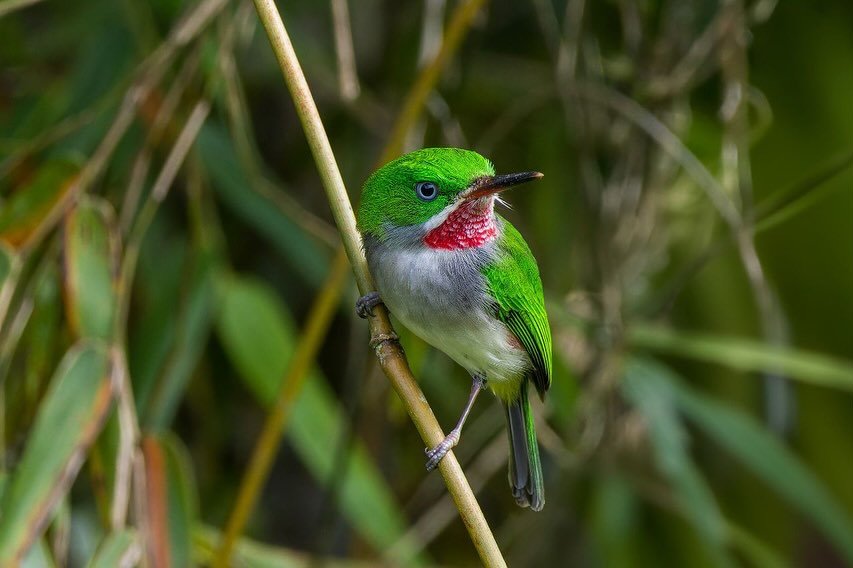
Parque Nacional Jaragua
Jaragua National Park: A Natural Treasure of the Dominican Republic Jaragua National Park, located in the province of Pedernales, is a true natural paradise that encompasses a wide variety of terrestrial and marine ecosystems. This protected area, declared a Biosphere Reserve by UNESCO, is home to exceptional biodiversity and represents one of the last refuges of virgin nature in the Caribbean. A Mosaic of Landscapes The geography of the park is extremely diverse, offering a unique visual spectacle. From the arid shores of Águilas Bay, with its white sand dunes and crystal clear waters, to the lush mangroves and dry tropical forests, every corner of the park hides a natural treasure. Exceptional Biodiversity The flora and fauna of Jaragua National Park are extraordinarily rich and varied. Among the most emblematic species are: • Flora: Endemic cacti, button mangrove, guayacán, and a great variety of orchids. • Fauna: Rhinoceros iguana, hawksbill turtle, pink flamingo, parrot, and a great diversity of fish and corals in the reefs. Archaeological Value In addition to its ecological importance, Jaragua National Park has great archaeological value. The vestiges of ancient cultures, such as the Taínos, are scattered throughout the territory, evidencing a rich history and a deep bond between man and nature. Visitor Activities The park offers a wide range of activities for nature and adventure lovers: • Hiking: Numerous trails allow you to explore the park's different ecosystems, from coastal dunes to dry forests. • Diving and Snorkeling: The coral reefs of Águilas Bay are a paradise for diving and snorkeling lovers, where you can enjoy a wide variety of marine species. • Bird Watching: The park is an important refuge for migratory and resident birds, offering unique opportunities for bird watching. • Kayak: Kayaking through the mangroves and coastal lagoons is an unforgettable experience. • Camping: For the most adventurous, camping areas are offered where you can spend the night under the stars. Conservation and Sustainability The conservation of Jaragua National Park is a priority to guarantee the protection of its rich biodiversity and the ecosystem services it provides. Constant efforts are made to combat deforestation, poaching and unregulated tourism. Recommendations for the Visitor • Permits: It is necessary to obtain the corresponding permits to visit the park. • Local Guide: Hiring a local guide is the best way to learn the secrets of the park and enjoy a more complete experience. • Equipment: Wear appropriate clothing and footwear for walking, sun protection, insect repellent, binoculars and a camera. • Respect for the Environment: Deposit garbage in the corresponding containers, avoid making noise and respect the flora and fauna. Keywords: Jaragua National Park, Pedernales, Dominican Republic, biodiversity, conservation, ecotourism, natural heritage, Águilas Bay, rhinoceros iguana, mangroves, coral reefs.

Playa Pedernales
Pedernales Beach: A Hidden Paradise Why visit Pedernales Beach? • Crystal clear waters: Its turquoise waters are ideal for swimming, diving and snorkeling, allowing you to explore an underwater world full of life. • White sand: Pedernales beaches have soft, white sand, perfect for relaxing and sunbathing. • Virgin landscapes: Being a less developed tourist area, you can enjoy unparalleled natural landscapes. • Tranquility and privacy: It is the ideal place for those looking to escape the crowds and connect with nature. • Outdoor activities: In addition to water activities, you can go hiking, kayaking, and enjoy bird watching. What to do in Pedernales Beach? • Water sports: Snorkeling, diving, kayaking, paddleboarding and boat tours are some of the most popular activities. • Rest and relaxation: Enjoy the sun in a hammock, read a book under an umbrella or simply contemplate the sea. • Nature observation: Pedernales is a paradise for nature lovers. Observe birds, sea turtles and the diverse flora and fauna of the area. • Photography: Capture unforgettable moments with your camera. The sunsets in Pedernales are especially spectacular. Tips for your visit • Best time: The dry season, from December to April, is the most recommended to visit Pedernales. • Accommodation: Find options for all tastes, from boutique hotels to eco-lodges and camps. • Food: Delight yourself with Dominican cuisine, which combines Caribbean and European flavors. • Transportation: You can get to Pedernales by your own vehicle or by hiring a tour. • Sustainability: Respect the environment and contribute to its conservation. What else can you find nearby? • Jaragua National Park: A natural treasure with great biodiversity and impressive landscapes. • Águilas Bay: One of the most beautiful beaches in the Caribbean, with crystal clear waters and white sand. • Cabo Rojo Wetlands: A unique ecosystem home to a wide variety of birds and flora. An emerging destination Pedernales is experiencing sustainable tourism growth, which means that you will be able to enjoy its natural beauties without sacrificing the authenticity of the place. Are you ready to discover the charm of Playa Pedernales? Keywords: Pedernales Beach, Dominican Republic, tourism, nature, adventure, relaxation, Caribbean
Showing 1 to 10 of 17 results
The best Tourist sites In Pedernales
Pedernales, a province located in the southwest of the Dominican Republic, is a fascinating destination that combines pristine beaches, rugged mountains and unique biodiversity. With a unique blend of untouched nature and Dominican authenticity, Pedernales offers visitors a truly unforgettable experience.
Paradisiacal beaches: Immerse yourself in the crystal clear waters and white sand beaches of the southwest coast of Pedernales. From beautiful Bahía de las Águilas to remote Playa La Cueva, you'll find a tropical paradise where you can relax under the Caribbean sun, swim in calm waters, and explore marine life while snorkeling or diving.
Natural parks and reserves: Embark on exciting adventures exploring the natural parks and reserves of Pedernales. Visit Jaragua National Park, where you can hike through mangroves, observe exotic birds and discover endemic species of plants and animals. Additionally, you can explore the Ebano Verde Scientific Reserve, a wildlife sanctuary with stunning waterfalls and nature trails.
Outdoor Adventures: Enjoy a variety of outdoor activities in Pedernales, including hiking, climbing, kayaking, and boating on the region's rivers and lagoons. You can also explore natural caves, such as the famous Cueva de las Águilas, where you can marvel at unique rock formations and ancient cave paintings.
Culture and gastronomy: Immerse yourself in the rich Dominican culture and enjoy the delicious local cuisine of Pedernales. Visit the towns and communities of the province to meet local people, learn about their traditions and try typical dishes such as fresh fish, coconut and tropical fruits.