
Tourist sites In Espaillat
29 results · 1 / 3
Use your location? We will centre the map on you and show how far away each place is.

Museo Plazoleta 26 de Julio
The Plazoleta 26 de Julio Museum, located in the city of Moca, Espaillat province, Dominican Republic, is a cultural space dedicated to preserving the memory of the heroes who fought for the country's independence and to spreading Dominican culture. The museum is located in Plaza 26 de Julio, the place where the execution of the tyrant Ulysses Heureaux took place on July 26, 1899. A Journey Through History The museum has four exhibition rooms that house a collection of historical objects, photographs and documents related to the life and work of the heroes of July 26, as well as the history and culture of the Espaillat province. Among the most notable pieces are: • Personal objects of the heroes of July 26: Weapons, clothing, documents and other objects that belonged to the protagonists of the execution of Ulysses Heureaux. • Historical photographs: Images that capture important moments in the history of Moca and the Espaillat province. • Historical documents: Minutes, proclamations and other documents that relate relevant historical events in the region. • Works of art: Paintings, sculptures and other works of art that reflect the culture and traditions of the Espaillat province. A Space for Reflection and Learning In addition to its function as a museum, Plazoleta 26 de Julio also serves as a space for reflection and learning. Educational and cultural activities are carried out at the place, such as talks, workshops and artistic presentations, which aim to promote knowledge of Dominican history and foster civic values in the population. Visitor Information • Location: Calle Colón corner 26 de Julio, Moca, Espaillat province, Dominican Republic. • Hours: Tuesday to Friday from 8:00 a.m. to 5:00 p.m. Saturdays and Sundays from 9:00 a.m. to 1:00 p.m. • Admission: RD$50 Dominican pesos for adults and RD$25 Dominican pesos for children and students. • Services: The museum has bathrooms, a souvenir shop and a rest area. Recommendations for an Enriching Visit • Plan your visit: Check the museum's schedule and plan your visit in advance. • Take a guided tour: Museum guides offer guided tours that will allow you to learn in detail about the history of the museum and the pieces on display. • Participate in activities: The museum organizes various educational and cultural activities throughout the year. Check the museum's programming and participate in the activities that interest you most. • Respect the place: The Plazoleta 26 de Julio Museum is an important historical and cultural place. Please be respectful of the place and the pieces on display. The Plazoleta 26 de Julio Museum is a must-see for anyone who wants to know the history and culture of the Espaillat province. At this museum, you can learn about the heroes who fought for the country's independence, admire historical objects and works of art, and participate in educational and cultural activities. Additional considerations: • Transportation: The city of Moca is well connected by public transportation to other cities in the Dominican Republic. You can get to Moca by bus, car or taxi. • Accommodation: In Moca there are a variety of accommodation options, from luxury hotels and resorts to guest houses and apartment rentals. • Currency: The official currency of the Dominican Republic is the Dominican peso (DOP). You can change money in banks, exchange offices and hotels. • Language: The official language of the Dominican Republic is Spanish. However, English is also spoken in tourist areas.

Calle Tridimensional
Tridimensional Street, also known as Paseo 26 de Julio, is a unique work of urban art located in the city of Moca, Espaillat province, Dominican Republic. This pedestrian street, painted with 3D optical illusions, has become one of the city's main tourist attractions and an icon of Dominican creativity and ingenuity. A Walk Full of Illusions Walking down Three-Dimensional Street, visitors are immersed in a world of optical illusions that challenge the perception of reality. The paintings on the floor create three-dimensional effects so realistic that they seem to come to life before our eyes. A Tribute to History and Culture The murals that decorate Tridimensional Street are not only visually striking works of art, but they also pay tribute to the history and culture of the Espaillat province. You can find representations of historical figures, important events in the region and elements of Dominican culture. An Attraction for All Ages Tridimensional Street is an ideal place to enjoy with family or friends. Kids will have fun exploring the optical illusions and taking creative photos, while adults can appreciate the artistic beauty and cultural significance of the murals. Visitor Information • Location: Calle Colón corner 26 de Julio, Moca, Espaillat province, Dominican Republic. • Hours: The street is open to the public 24 hours a day, 7 days a week. • Free entrance. Recommendations for an Enjoyable Visit • Bring your camera: The Tridimensional Street is the perfect setting to take creative and unforgettable photos. • Wear comfortable shoes: The street is paved, but it is advisable to wear comfortable walking shoes. • Be respectful: Tridimensional Street is a public space, so it is important to be respectful of the place and other visitors. • Enjoy the experience: Take your time to explore the optical illusions, appreciate the murals and enjoy the unique atmosphere of Tridimensional Street. Additional considerations: • How to get there: The city of Moca is well connected by public transportation to other cities in the Dominican Republic. You can get to Moca by bus, car or taxi. • Accommodation: In Moca there are a variety of accommodation options, from luxury hotels and resorts to guest houses and apartment rentals. • Currency: The official currency of the Dominican Republic is the Dominican peso (DOP). You can change money in banks, exchange offices and hotels. • Language: The official language of the Dominican Republic is Spanish. However, English is also spoken in tourist areas.

Iglesia Sagrado Corazón De Jesús
Sacred Heart of Jesus Church: An Architectural Treasure in Moca, Espaillat A religious and cultural icon in the heart of Moca The Sacred Heart of Jesus Church, located in the city of Moca, Espaillat province, Dominican Republic, is an imposing architectural work that has become one of the most emblematic symbols of the city and an important religious and cultural reference for the community. A history that dates back to the 19th century The construction of the Sacred Heart of Jesus Church began in 1889, under the direction of the Italian architect Bienvenido Ghezzi. The church was consecrated in 1902 and since then it has been a center of faith and devotion for the inhabitants of Moca. A unique neo-Gothic architectural style The Sacred Heart of Jesus Church stands out for its imposing neo-Gothic architectural style, characterized by its pointed arches, cross vaults, buttresses and pinnacles. The main façade of the church is adorned with rose windows, stained glass windows and sculptures representing saints and religious figures. An interior full of beauty and symbolism The interior of the church is a space of great beauty and symbolism. The walls are decorated with frescoes and murals that narrate biblical scenes and the life of Jesus Christ. The multicolored stained glass windows bathe the space in warm light and create an atmosphere of peace and meditation. A meeting place for the community Beyond its religious importance, the Sacred Heart of Jesus Church is an important meeting place for the Moca community. Masses, baptisms, weddings and other religious events are celebrated in the church. In addition, the church also serves as a space for cultural and social activities, such as concerts, plays and art exhibitions. Visitor Information • Location: Duarte Street corner Colón, Moca, Espaillat province, Dominican Republic. • Hours: The church is open to the public from Monday to Saturday from 8:00 a.m. to 5:00 p.m. to 12:00 p.m. and from 3:00 p.m. to 6:00 p.m. On Sundays, the church is open from 7:00 a.m. to 7:00 p.m. to 12:00 p.m. and from 3:00 p.m. to 8:00 p.m. • Free entrance. Recommendations for a Respectful Visit • Dress: It is recommended to dress in decent and discreet clothing when visiting the church. • Silence: It is important to maintain an atmosphere of silence and respect during the visit to the church. • Photographs: Taking photographs is permitted in the church, as long as they do not disturb the religious activities being carried out. • Respect for the place: The Sacred Heart of Jesus Church is a sacred place, so it is important to respect the place and the people who are there. Additional considerations: • How to get there: The city of Moca is well connected by public transportation to other cities in the Dominican Republic. You can get to Moca by bus, car or taxi. • Accommodation: In Moca there are a variety of accommodation options, from luxury hotels and resorts to guest houses and apartment rentals. • Currency: The official currency of the Dominican Republic is the Dominican peso (DOP). You can change money in banks, exchange offices and hotels. • Language: The official language of the Dominican Republic is Spanish. However, English is also spoken in tourist areas.

Museo Presidente Ramón Cáceres
The Presidente Ramón Cáceres Museum, located in the city of Moca, Espaillat province, Dominican Republic, invites visitors to take a fascinating tour of the life and work of General Ramón Cáceres Vásquez, who was president of the Dominican Republic from 1905 to 1911 . A space that preserves memory The museum is located in what was the birthplace of President Cáceres, a Victorian-style building that dates back to the end of the 19th century. The house has been restored and equipped to house a collection of the president's personal objects, photographs, historical documents and other elements that narrate his political and military career. A journey through Dominican history Through the different rooms of the museum, visitors will be able to learn about the most relevant aspects of the life of President Cáceres, from his childhood in Moca to his rise to power and his tragic assassination. The museum also offers an overview of the historical context in which his government developed, marked by political instability and economic challenges. A tribute to a visionary leader The Presidente Ramón Cáceres Museum is a tribute to the memory of a visionary leader who played a crucial role in the history of the Dominican Republic. His legacy of fighting for democracy, social justice and the development of the country is still valid today. Visitor Information • Location: Duarte Street corner February 27, Moca, Espaillat province, Dominican Republic. • Hours: Tuesday to Friday from 8:00 a.m. to 8:00 p.m. to 5:00 p.m. Saturdays and Sundays from 9:00 a.m. to 1:00 p.m. • Admission: RD$50 Dominican pesos for adults and RD$25 Dominican pesos for children and students. • Services: The museum has bathrooms, a souvenir shop and a rest area. Recommendations for an Enriching Visit • Plan your visit: Check the museum's schedule and plan your visit in advance. • Take a guided tour: The museum guides offer guided tours that will allow you to learn in detail about the history of the museum and the pieces on display. • Participate in the activities: The museum organizes various educational and cultural activities throughout the year. Check the museum's programming and participate in the activities that interest you most. • Respect the place: The Presidente Ramón Cáceres Museum is an important historical and cultural place. Please be respectful of the place and the pieces on display. Additional considerations: • Transportation: The city of Moca is well connected by public transportation to other cities in the Dominican Republic. You can get to Moca by bus, car or taxi. • Accommodation: In Moca there are a variety of accommodation options, from luxury hotels and resorts to guest houses and apartment rentals. • Currency: The official currency of the Dominican Republic is the Dominican peso (DOP). You can change money in banks, exchange offices and hotels. • Language: The official language of the Dominican Republic is Spanish. However, English is also spoken in tourist areas.

Arroyo Cola De Pato
Arroyo Cola de Pato, located in the Espaillat province, Dominican Republic, is a natural treasure hidden among the mountains that offers visitors a unique and refreshing experience. This place, also known as Balneario Cola de Pato, is characterized by its crystal-clear waters, its lush vegetation and its calm and family atmosphere. An Ideal Place for Ecotourism Arroyo Cola de Pato is an ideal destination for lovers of ecotourism and outdoor activities. Visitors can enjoy a refreshing swim in its crystal-clear waters, go hiking along its natural trails, observe the local flora and fauna, or simply relax and enjoy the landscape. Activities for All Tastes At Arroyo Cola de Pato, visitors can find a variety of activities to suit all tastes. Among the most popular activities are: • Swimming: The crystal clear waters of the stream are perfect for a refreshing swim. • Hiking: There are several natural trails that run through the area, offering visitors the opportunity to observe the flora and fauna of the area. • Picnic: The place has several green areas where visitors can enjoy a picnic with family or friends. • Bird watching: Arroyo Cola de Pato is home to a wide variety of birds, making it an ideal place for bird watching. Recommendations for an Enriching Visit • Wear comfortable clothes and shoes: If you plan to do activities such as hiking, it is important to wear comfortable clothes and shoes. • Use sunscreen: The sun can be intense, so it is important to use sunscreen to avoid sunburn. • Bring mosquito repellent: There are mosquitoes in the area, so it is advisable to bring mosquito repellent. • Carry enough water: It is important to stay hydrated, so it is advisable to carry enough water. • Do not leave garbage: It is important to take care of the environment and not leave garbage in the place. Additional Information • How to get there: Arroyo Cola de Pato is located in the community of Jamao al Norte, Espaillat province. You can get to the place by your own vehicle or by taxi. • Entrance: Entrance to Arroyo Cola de Pato is free. • Services: There are some restaurants and shops where you can buy food and drinks. • Accommodation: In the community of Jamao al Norte there are some accommodation options, such as hotels and guest houses.

Salto de Elena
El Salto de Elena, located in the Espaillat province, Dominican Republic, is a natural oasis of impressive beauty that offers visitors a unique and refreshing experience. This waterfall, also known as Salto de Arroyo Limpio, is located in the Northern Mountain Range, surrounded by a lush tropical forest and a stunning mountain landscape. A Leap of Stunning Beauty El Salto de Elena is characterized by its waterfall of approximately 30 meters high, which rushes towards a natural pool of crystal-clear, turquoise waters. The sound of falling water and the freshness of the environment create an atmosphere of peace and tranquility that invites you to relax and enjoy nature. Activities for All Tastes At Salto de Elena, visitors can enjoy a variety of activities to suit all tastes. Among the most popular activities are: • Bath in the natural pool: The crystal clear and refreshing waters of the natural pool are perfect for a refreshing bath. • Hiking: There are several natural trails that run through the area, offering visitors the opportunity to observe the flora and fauna of the area. • Picnic: The place has several green areas where visitors can enjoy a picnic with family or friends. • Bird watching: El Salto de Elena is home to a wide variety of birds, making it an ideal place for bird watching. Recommendations for an Enriching Visit • Wear comfortable clothes and shoes: If you plan to do activities such as hiking, it is important to wear comfortable clothes and shoes. • Use sunscreen: The sun can be intense, so it is important to use sunscreen to avoid sunburn. • Bring mosquito repellent: There are mosquitoes in the area, so it is advisable to bring mosquito repellent. • Carry enough water: It is important to stay hydrated, so it is advisable to carry enough water. • Do not leave garbage: It is important to take care of the environment and not leave garbage in the place. Additional Information • How to get there: El Salto de Elena is located in the community of La Guásima, Espaillat province. You can get to the place by your own vehicle or by taxi. • Entrance: Entrance to Salto de Elena is free. • Services: There are some restaurants and shops where you can buy food and drinks. • Accommodation: In the community of La Guásima there are some accommodation options, such as hotels and guest houses.

Alto Del Queso
A Green Lung in the Northern Mountain Range El Alto del Queso, located in the Espaillat province, Dominican Republic, is an ecological park of great natural beauty that offers visitors a unique and revitalizing experience. This park, also known as Loma del Queso National Park, is located in the Northern Mountain Range, about 1,200 meters above sea level, and is home to a great diversity of flora and fauna. A Refuge for Biodiversity Alto del Queso is an important refuge for biodiversity, as it is home to a wide variety of plant and animal species. Among the most representative species of the park are: • Flora: Pine trees, oaks, mahoganies, jagüeyes, orchids and bromeliads. • Fauna: Parrots, hawks, woodpeckers, foxes, hutias and hares. An Ideal Destination for Ecotourism El Alto del Queso is an ideal destination for lovers of ecotourism and outdoor activities. Visitors can enjoy a variety of activities, such as: • Hiking: There are several natural trails that run through the park, offering visitors the opportunity to observe the flora and fauna of the place. • Bird watching: The park is home to a wide variety of birds, making it an ideal place for bird watching. • Camping: The park has designated camping areas, where visitors can spend the night in contact with nature. • Picnic: The place has several green areas where visitors can enjoy a picnic with family or friends. Recommendations for an Enriching Visit • Wear comfortable clothes and shoes: If you plan to do activities such as hiking, it is important to wear comfortable clothes and shoes. • Use sunscreen: The sun can be intense, so it is important to use sunscreen to avoid sunburn. • Bring mosquito repellent: There are mosquitoes in the area, so it is advisable to bring mosquito repellent. • Carry enough water: It is important to stay hydrated, so it is advisable to carry enough water. • Do not leave garbage: It is important to take care of the environment and not leave garbage in the place. Additional Information • How to get there: El Alto del Queso is located in the community of Loma del Queso, Espaillat province. You can get to the place by your own vehicle or by taxi. • Entrance: Entrance to the park costs RD$50 Dominican pesos for adults and RD$25 Dominican pesos for children. • Services: The park has bathrooms, a picnic area and a camping area. • Accommodation: In the community of Loma del Queso there are some accommodation options, such as guest houses.

Letrero turístico Villa Trina
The tourist sign of Villa Trina, located in the Espaillat province, Dominican Republic, has become an identity icon for this municipality and a visual attraction for visitors traveling along the Moca-Jamao highway to the North. A Tribute to Culture and History The sign, with its colorful and striking design, highlights the name of Villa Trina in large, bold letters, accompanied by images that represent the culture and history of the municipality. Among these images we can find: • Los Haitises: A national park of great natural beauty that is located near Villa Trina. • Agricultural production: Agriculture is one of the main economic activities of Villa Trina, so the sign also includes images of agricultural products such as coffee, cocoa and bananas. • The patron saint festivities: Villa Trina celebrates its patron saint festivities in honor of San Francisco de Asís every year in the month of October. The sign also includes an image of Saint Francis of Assisi as a tribute to these holidays. An Attraction for Tourists The Villa Trina tourist sign has become a popular attraction for tourists visiting the area. Many visitors stop to take photos with the sign as a souvenir of their trip. The sign also serves as an important landmark for travelers traveling along the Moca-Jamao Highway to the North. Additional Information • Location: The Villa Trina tourist sign is located on the Moca-Jamao highway to the North, at the entrance to the municipality of Villa Trina, Espaillat province, Dominican Republic. • How to get there: You can reach the Villa Trina tourist sign by your own vehicle or by public transportation. There are buses leaving from Moca and Jamao north to Villa Trina several times a day. • Recommendations: If you want to take photos with the Villa Trina tourist sign, it is important to do so with caution, since the sign is located next to the road. The Villa Trina tourist sign is a symbol of the identity and culture of this municipality. It is a must-see stop for visitors who are touring the Espaillat province.
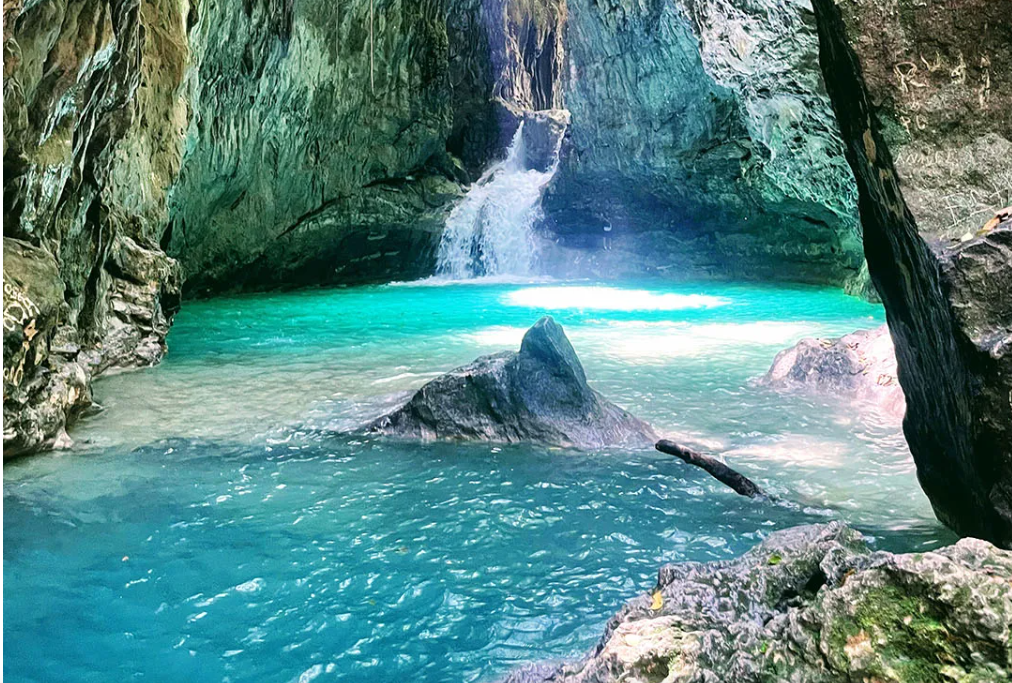
Río Partido
The Partido River, located in the Espaillat province, Dominican Republic, is a river of great natural beauty that offers visitors a unique and refreshing experience. This river, also known as Río Partido de Jamao, is located in the Northern Mountain Range, surrounded by a lush tropical forest and an impressive mountain landscape. An Ideal Place for Ecotourism The Partido River is an ideal destination for lovers of ecotourism and outdoor activities. Visitors can enjoy a variety of activities, such as: • Bathing in the river: The crystal clear and refreshing waters of the Partido River are perfect for a refreshing bath. • Hiking: There are several natural trails that run through the area, offering visitors the opportunity to observe the flora and fauna of the area. • Bird watching: The river is home to a wide variety of birds, making it an ideal place for bird watching. • Picnic: The place has several green areas where visitors can enjoy a picnic with family or friends. Recommendations for an Enriching Visit • Wear comfortable clothes and shoes: If you plan to do activities such as hiking, it is important to wear comfortable clothes and shoes. • Use sunscreen: The sun can be intense, so it is important to use sunscreen to avoid sunburn. • Bring mosquito repellent: There are mosquitoes in the area, so it is advisable to bring mosquito repellent. • Carry enough water: It is important to stay hydrated, so it is advisable to carry enough water. • Do not leave garbage: It is important to take care of the environment and not leave garbage in the place. • Good physical condition. Additional Information • How to get there: Río Partido is located in the community of Jamao al Norte, Espaillat province. You can get to the place by your own vehicle or by taxi. • Entry: Entry to the river is free. • Services: In the area there are some restaurants and shops where you can buy food and drinks. • Accommodation: In the community of Jamao al Norte there are some accommodation options, such as hotels and guest houses.

Río El Paraíso de Arroyo Frío
The El Paraíso River of Arroyo Frío, located in the Espaillat province, Dominican Republic, is a true oasis of natural beauty that offers visitors a unique and refreshing experience. This river, also known as Balneario El Paraíso, is located in the Northern Mountain Range, surrounded by a lush tropical forest and an impressive mountain landscape. The El Paraíso River is known for its crystal-clear and turquoise waters, which invite visitors to take a refreshing swim in its warm waters. The river also has several natural pools and waterfalls, where visitors can relax and enjoy the sound of falling water. An Ideal Destination for Ecotourism El Paraíso River is an ideal destination for lovers of ecotourism and outdoor activities. Visitors can enjoy a variety of activities, such as: • Bathing in the river: The crystal clear and refreshing waters of the El Paraíso River are perfect for a refreshing bath. • Hiking: There are several natural trails that run through the area, offering visitors the opportunity to observe the flora and fauna of the area. • Bird watching: The river is home to a wide variety of birds, making it an ideal place for bird watching. • Picnic: The place has several green areas where visitors can enjoy a picnic with family or friends. Recommendations for an Enriching Visit • Wear comfortable clothes and shoes: If you plan to do activities such as hiking, it is important to wear comfortable clothes and shoes. • Use sunscreen: The sun can be intense, so it is important to use sunscreen to avoid sunburn. • Bring mosquito repellent: There are mosquitoes in the area, so it is advisable to bring mosquito repellent. • Carry enough water: It is important to stay hydrated, so it is advisable to carry enough water. • Do not leave garbage: It is important to take care of the environment and not leave garbage in the place. Additional Information • How to get there: The El Paraíso River of Arroyo Frío is located in the community of Arroyo Frío, Espaillat province. You can get to the place by your own vehicle or by taxi. • Entry: Entry to the river is free. • Services: In the area there are some restaurants and shops where you can buy food and drinks. • Accommodation: In the community of Arroyo Frío there are some accommodation options, such as guest houses.
Showing 1 to 10 of 29 results
The best Tourist sites In Espaillat
Espaillat, a province located in the north of the Dominican Republic, is a charming destination that combines beautiful landscapes, vibrant culture and rich history. With a unique mix of paradisiacal beaches, lush mountains and picturesque towns, Espaillat offers a diverse and exciting experience for visitors.
Dream beaches: Immerse yourself in the crystal clear waters and white sand beaches of the north coast of Espaillat. From the popular Playa Punta Rucia to the quiet Playa La Ensenada, you'll find a variety of options to relax under the Caribbean sun, practice water sports like snorkeling and diving, or simply enjoy the natural beauty of the region.
Mountains and nature: Embark on exciting adventures exploring the mountains and natural parks of Espaillat. Visit Monte Cristi National Park to hike scenic trails, discover hidden waterfalls, and observe the region's diverse flora and fauna. You can also explore the Loma Isabel de Torres Scientific Reserve, where you'll find tropical forests, botanical gardens, and stunning panoramic views.
Culture and tradition: Immerse yourself in the rich Dominican culture by exploring the cities and towns of Espaillat. Visit the city of Moca, known for its colonial architecture, vibrant street life, and delicious cuisine. Explore local markets, historic churches and museums that offer a fascinating insight into the region's history and culture.
Dominican gastronomy: Delight yourself with the delicious Dominican cuisine by trying typical dishes such as mofongo, fried fish and traditional sweets. Explore local restaurants and popular eateries for authentic Caribbean flavors and unique culinary experiences.